
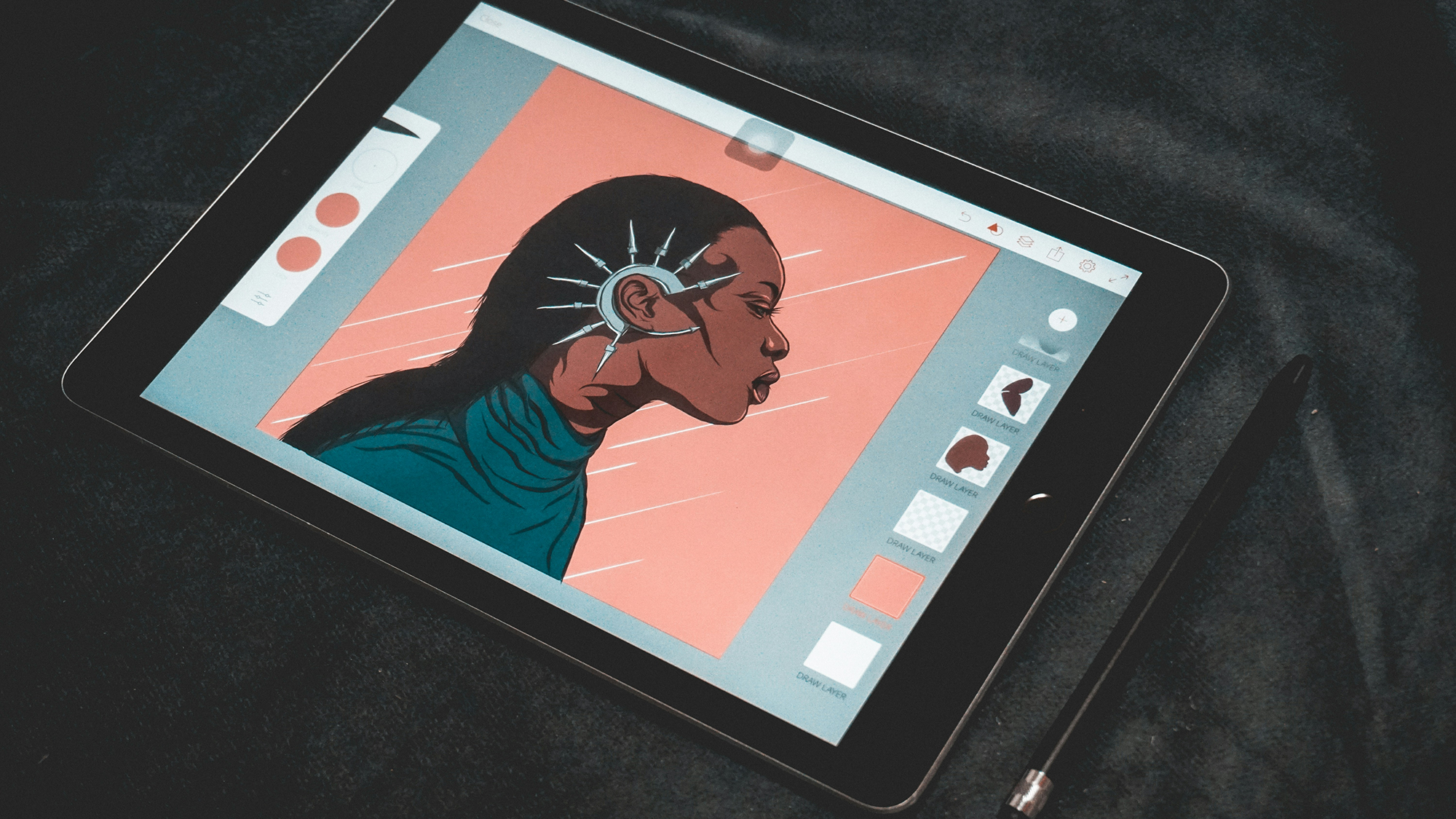

The demand for a designer freelancer has grown rapidly as companies across industries seek flexible creative talent. From branding and web design to social media visuals and product packaging, freelance designers play a key role in shaping how brands communicate visually. For professionals considering freelance work, the right mix of design skills and a strong portfolio can make the difference between occasional projects and a steady stream of clients.
Dubai has become a particularly attractive destination for creative professionals. The city’s dynamic startup ecosystem, marketing agencies, and global brands continuously require visual content and design expertise. For those planning to work independently in the UAE, securing the proper setup is an important step. Many international creatives choose the freelance route, and obtaining a designer freelancer setup through services like freelance visa solutions offered by Easy Freelance can simplify the process of legally working and living in Dubai while building a freelance design career.
Once the legal structure is in place, success largely depends on skills, positioning, and visibility. A designer freelancer must demonstrate both creativity and professionalism. Clients expect not only visual talent but also reliability, clear communication, and the ability to translate ideas into compelling visuals.
Freelance designers often work with different types of clients and projects. Having a versatile skill set helps expand opportunities and attract higher-paying work.
Design is fundamentally about communication. Whether creating a logo, a website layout, or marketing materials, the goal is always to convey a message clearly and effectively. Strong visual communication skills allow a designer freelancer to transform abstract concepts into meaningful visual elements.
This includes understanding composition, color theory, typography, and layout balance. These fundamentals remain essential regardless of the design medium.
Brand identity projects are among the most common opportunities for freelance designers. Businesses launching new products or entering new markets frequently need logos, brand guidelines, and visual systems.
Designers who understand brand strategy and can translate it into visual identity often command higher rates because their work directly influences how companies present themselves to customers.
With most businesses operating online, digital design skills are increasingly valuable. Freelancers who can create:
• Website layouts
• Mobile app interfaces
• Social media graphics
• Digital advertising visuals
are more likely to attract consistent projects. Familiarity with UI and UX principles also helps designers create work that is not only visually appealing but also functional.
Freelancers rarely work in just one industry. One week may involve creating a restaurant menu, while the next might require corporate presentation slides or e-commerce product visuals.
Being adaptable allows a designer freelancer to work with startups, agencies, and established brands without being limited to a single niche.
A strong portfolio is the most powerful marketing tool for any designer freelancer. It is often the first thing a potential client reviews before deciding whether to start a conversation.
Many designers make the mistake of including too many projects in their portfolio. A smaller selection of well-presented work usually creates a stronger impression.
Each project should clearly show:
• The design challenge
• The creative solution
• The final visual outcome
Providing context helps clients understand how the design solved a real problem.
While specialization is valuable, a portfolio that demonstrates range can attract a broader set of clients. Consider including different project types such as branding, social media graphics, packaging design, or website layouts.
This versatility signals that the designer freelancer can adapt to different creative needs.
Presentation matters as much as the design itself. Projects should be displayed with clean mockups, clear explanations, and organized sections.
A well-structured portfolio website typically includes:
• A short introduction or personal statement
• A curated selection of projects
• Contact information
• Links to professional profiles
Many clients prefer browsing a dedicated website rather than scrolling through random images on social media.
Freelancers often rely on multiple channels to find clients and maintain a steady workflow. Understanding where opportunities exist can significantly improve career stability.
Online marketplaces connect designers with businesses around the world. Popular platforms allow freelancers to showcase portfolios, submit proposals, and build client relationships.
These platforms are often a good starting point for new freelancers because they provide immediate access to global clients.
Networking remains one of the most effective ways to find freelance projects. Many designers secure long-term clients through referrals and industry connections.
Attending design events, startup meetups, and marketing conferences can open doors to collaborations and partnerships.
Designers often attract clients through visual platforms such as Instagram, LinkedIn, and Behance. Consistently sharing creative work helps build credibility and visibility within the design community.
A designer freelancer who actively showcases projects and design processes can naturally attract inquiries from businesses looking for creative support.
Some freelancers collaborate with marketing or design agencies on a project basis. Agencies frequently outsource overflow work to trusted freelance designers, especially during busy campaign periods.
This arrangement can provide consistent projects without the freelancer needing to constantly search for new clients.
Determining how much to charge is a common challenge for freelance designers. Pricing depends on experience, specialization, project complexity, and market demand.
Some freelancers prefer hourly rates, while others charge per project or per deliverable. Branding packages, for example, are often priced as a full service rather than hourly work.
When setting rates, designers should consider:
• Time required for research and revisions
• Value delivered to the client
• Industry standards in the target market
Over time, experienced designer freelancers often transition toward value-based pricing, where rates reflect the business impact of the design rather than the hours spent creating it.
Freelancers must handle more than just design tasks. Client communication, contracts, project timelines, and invoicing are all part of running a freelance business.
Using structured workflows can help keep projects organized and prevent delays. Many designers use project management tools to track tasks and client feedback.
Clear communication is also essential. Establishing timelines, revision policies, and payment terms early helps avoid misunderstandings and ensures smoother collaborations.
Freelancing offers flexibility and creative freedom, but long-term success requires continuous improvement. The design industry evolves quickly, with new tools, styles, and technologies emerging regularly.
Successful designer freelancers regularly update their skills by learning new software, experimenting with creative techniques, and staying informed about design trends.
Expanding services can also open new opportunities. Designers who begin with logo design may later add services such as website design, motion graphics, or brand strategy.
Building a reputation for reliability and creative excellence often leads to repeat clients and referrals, which are key factors in sustaining a freelance career.


.svg)

.svg)